

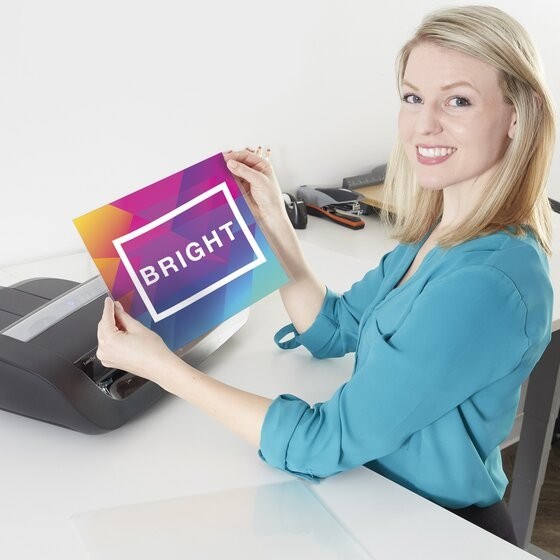
You wear a lot of hats throughout your day, so your to-do list can be all over the board. Sometimes those to-dos can include laminating. You just drop an item into the pouch, feed it into your laminator and “Voila!” Well, almost. There are two kinds of pouch lamination: hot (also called thermal) and cold (also called self-sealing). Knowing which to use for your project can make the difference between protecting it and possibly damaging it.
How Hot & Cold Pouch Lamination Differ
Most pouch laminators use a thermal process. As your document feeds through the machine, heated rollers “activate” the adhesive of the thermal pouch film and seal it to your document. Laminator settings can reach temperatures over 300 degrees. The thermal lamination process is quick and efficient. You simply place your document within the pouch and run it through the laminator. The machine does all the work.
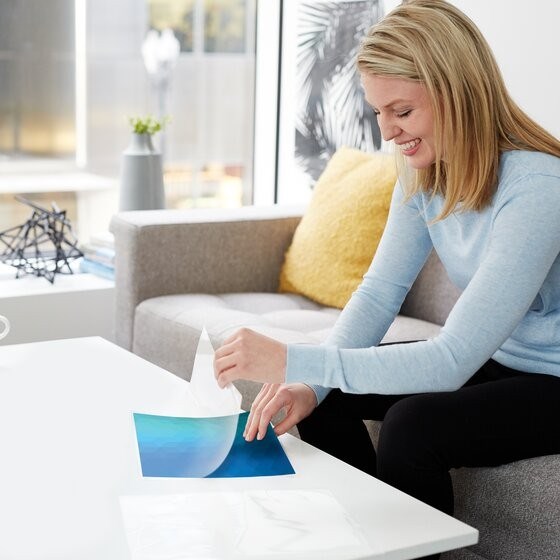
Cold lamination requires a bit more work. You peel back one side of the self-sealing pouch film to expose the sticky adhesive, carefully position your document on the second side, return the first side to its original position, then press. The direct pressure from your hand creates the seal. You can also slide a straight edge, such as a ruler, across the document to further compress the film. Some people will run their sealed documents through a pouch laminator with the cold setting selected, but it’s not required.
Choosing Between Hot & Cold Lamination
Now that you know the difference between hot and cold lamination, how do you know what’s right for your project?
Hot lamination is ideal for colorful items like signage and menus. That’s because thermal laminating pouches have a clearer finish that offers superior clarity, so images look sharper and colors really stand out. Thermal pouches are less expensive and easy to work with, too, making them the perfect choice if you do a lot of laminating or your projects include everyday documents, flyers and educational materials.
If you’re laminating items that could be damaged by heat — thermal-printed photos (such as ultrasounds and Polaraid® photos ), artwork and sentimental handwritten recipe cards, for example — self-sealing lamination pouches should be your choice. You get the protection of lamination without the risk of heat damage. Also, because the adhesive doesn’t melt like thermal, self-sealing lamination pouches have a more muted finish, reducing glare.

Both hot and cold lamination offer distinct benefits. When you take a few moments to think about what you’re laminating, you’ll ensure every project is a success.